

Breathe Easier While Freshening Your Home
Cleaning can feel great—it’s a chance to open the windows, clear out clutter, and refresh your living space. But for people living with Chronic Obstructive Pulmonary Disease (COPD), many common cleaning products can trigger coughing, wheezing, or shortness of breath. In this post we’ll discuss Safe cleaning for those living with COPD.
Strong chemical fumes, sprays, and artificial fragrances can irritate the lungs and worsen breathing symptoms. The good news is that you can still get your home sparkling clean using simple, non-toxic ingredients you probably already have in your kitchen.
Below are some COPD-friendly spring cleaning solutions along with easy formulas and tips for different areas of your home.
General COPD-Safe Cleaning Tips 🧽
Before diving into recipes, keep these safety tips in mind:
- Avoid sprays whenever possible. Sprays create airborne particles that are easy to inhale.
- Use microfiber cloths to trap dust rather than spreading it around.
- Ventilate your space by opening windows or running a fan.
- Take breaks and pace yourself while cleaning.
- Wear a mask if dust or fumes trigger symptoms.
- Consider using oxygen if prescribed, especially during activities that increase breathing demand.
Why Safe and Natural Cleaners Work
Many people assume that strong-smelling chemical cleaners are necessary to keep a home clean and germ-free. In reality, some of the most effective cleaning ingredients have been used for generations and can be found right in your kitchen pantry. Baking soda, vinegar, lemon juice, hydrogen peroxide, and mild dish soap can tackle many everyday cleaning tasks, including removing grease, dissolving soap scum, neutralizing odors, and lifting dirt from surfaces.
For people living with COPD or other respiratory conditions, natural cleaning solutions offer an additional benefit: they typically produce fewer irritating fumes and fragrances than many commercial products. While there are situations where specialized disinfectants may be needed, most routine household cleaning can be accomplished without exposing yourself to harsh chemicals, strong odors, or airborne sprays.
It’s important to remember that “clean” and “disinfected” are not always the same thing. For everyday housekeeping, the goal is often to remove dirt, dust, food residue, and allergens rather than sterilize every surface. Simple ingredients such as baking soda, vinegar, and soap can be highly effective for these tasks while helping create a healthier indoor environment.
By choosing gentler cleaning methods, improving ventilation, and reducing exposure to unnecessary chemicals, you can maintain a clean, fresh home while supporting better indoor air quality and easier breathing.
Safe and Natural Cleaning Solutions by Area
Kitchen & Bathroom Surfaces (Counters, Sinks, Appliances)
These areas often collect grease, food residue, and soap buildup. Fortunately, gentle natural cleaners work very well.
Baking Soda All-Purpose Cleaner
Great for:
✔ countertops
✔ sinks
✔ stovetops
✔ appliances
Recipe:
- 2 teaspoons baking soda
- 1 gallon warm water
Mix together and wipe surfaces with a cloth or sponge. Baking soda is mildly abrasive, so it helps remove grime without harsh chemicals.
Lemon Degreasing Solution 🍋
Great for:
✔ kitchen counters
✔ cutting boards
✔ greasy surfaces
Recipe:
- 1 cup warm water
- 1–2 tablespoons fresh lemon juice
Lemon naturally cuts grease and leaves a fresh scent without artificial fragrances.
Toilets, Sinks & Bathroom Fixtures 🚽
Bathrooms often require stronger cleaning, but natural ingredients can still get the job done safely.
Baking Soda + Vinegar Toilet Cleaner
Great for:
✔ toilet bowls
✔ stubborn stains
Steps:
- Sprinkle ½ cup baking soda into the toilet bowl.
- Add 1 cup white vinegar.
- Let the mixture fizz for 10 minutes.
- Scrub with a toilet brush and flush.
The natural reaction between baking soda and vinegar helps loosen buildup.
Gentle Sink Scrub
Great for:
✔ porcelain sinks
✔ stainless steel sinks
Recipe:
- 2 tablespoons baking soda
- enough water to form a paste
Apply with a sponge, scrub lightly, and rinse.
Tile & Grout (Bathrooms and Kitchens)
Grout can collect mold and grime, but you can clean it without harsh bleach fumes.
Baking Soda Grout Paste
Great for:
✔ grout lines
✔ tile walls
✔ shower floors
Recipe:
- ½ cup baking soda
- 2–3 tablespoons water
Make a thick paste, apply to grout with a toothbrush, scrub gently, then wipe clean.
Vinegar Tile Cleaner
Great for:
✔ tile walls
✔ shower doors
Recipe:
- 1 cup white vinegar
- 1 cup warm water
Apply with a cloth (not a spray bottle) and wipe clean.
⚠️ Avoid vinegar on natural stone like marble or granite.
Rugs & Carpets 🧺
Traditional carpet cleaners often contain strong chemicals. A simple baking soda treatment can help freshen rugs safely.
Natural Carpet Deodorizer
Great for:
✔ rugs
✔ carpets
✔ pet odors
Recipe:
- ½–1 cup baking soda
Sprinkle lightly over the carpet, let sit for 15–30 minutes, then vacuum thoroughly.
Hardwood Floors
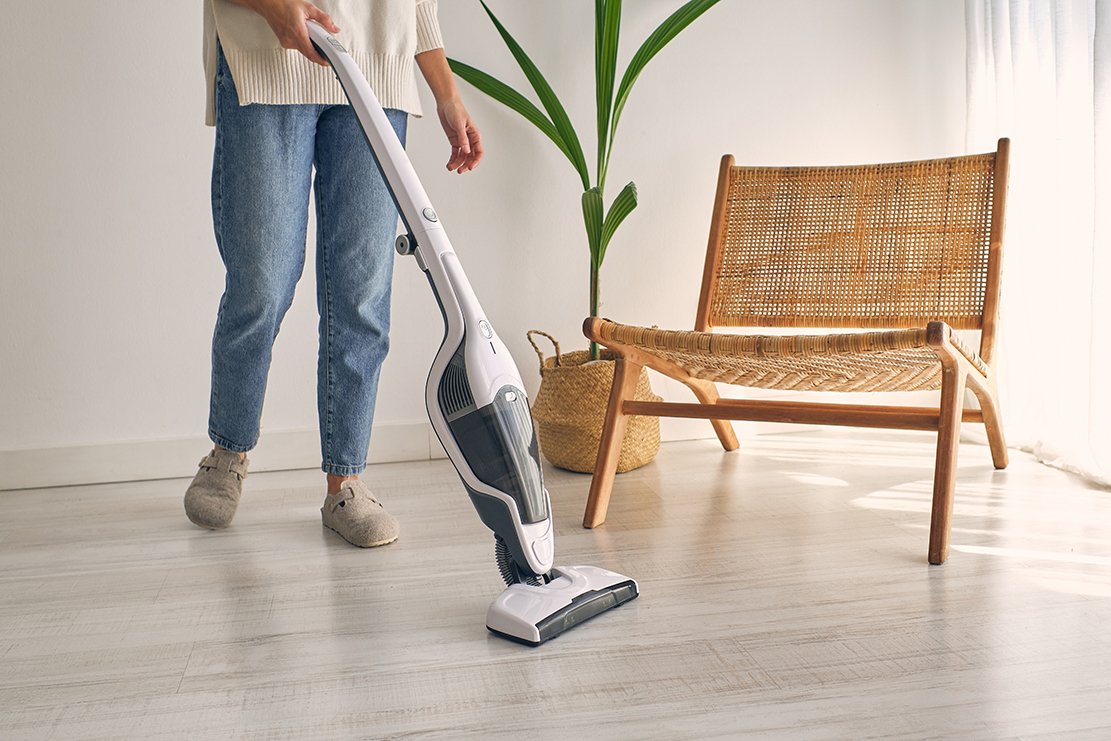
Many commercial floor cleaners contain fragrances and solvents that may irritate lungs.
Gentle Hardwood Floor Cleaner
Great for:
✔ sealed hardwood
✔ laminate floors
Recipe:
- 1 gallon warm water
- 1 tablespoon mild dish soap
- optional: 1 tablespoon white vinegar
Use a damp (not soaking) mop and dry the floor afterward.
Windows & Glass
Skip the ammonia-based cleaners.
Natural Glass Cleaner
Ideal for:
✔ mirrors
✔ windows
✔ glass tables
Recipe:
- 1 cup water
- 1 cup white vinegar
Apply with a cloth and wipe with a microfiber towel for a streak-free shine.
Cleaning Garages, Sheds, Basements & Storage Areas Safely
Spring and summer often mean tackling garages, sheds, basements, and storage rooms. Unfortunately, these spaces can contain large amounts of dust, mold spores, pollen, rodent droppings, insect debris, and other particles that may trigger breathing problems for people with COPD.
Before starting a major clean out project, take a few extra precautions to protect your lungs.
Wear an N95 Mask
An N95 respirator can help filter many of the airborne particles commonly found in garages, sheds, attics, and storage spaces.
Consider wearing an N95 mask when:
✓ Sweeping dusty floors
✓ Cleaning out sheds
✓ Sorting old boxes
✓ Moving stored holiday decorations
✓ Cleaning workshops
✓ Handling insulation materials
✓ Vacuuming heavy dust buildup
If wearing an N95 mask makes breathing uncomfortable, stop and rest. Consult your healthcare provider if you have concerns about whether a respirator is appropriate for you.
Watch for Mold and Mildew
Garages, sheds, and basements are often damp environments where mold can grow.
Look for:
- Musty odors
- Water stains
- Discolored walls
- Damp cardboard boxes
- Mold growth on stored items
If significant mold is present, consider having someone else perform the cleanup or hiring a professional remediation company.
Avoid Stirring Up Dust
HEPA stands for High-Efficiency Particulate Air. A true HEPA filter is designed to capture at least 99.97% of airborne particles as small as 0.3 microns, including dust, pollen, mold spores, pet dander, and some bacteria. Keep in mind HEPA filtration can help improve indoor air quality by reducing the number of airborne irritants and allergens in your home. Rather than sweeping dry dust, which sends particles into the air:
Try:
✓ Vacuuming with a HEPA-filter vacuum
✓ Damp mopping concrete floors
✓ Wiping shelves with a damp microfiber cloth
✓ Using wet cleaning methods whenever possible
Don’t Forget the Air You Breathe 🌬️
For people with COPD, indoor air quality matters as much as clean surfaces. During spring cleaning:
- Change HVAC filters
- Vacuum with a HEPA filter
- Dust ceiling fans and vents
- Wash bedding and curtains
Reducing dust, allergens, and irritants can make breathing easier day to day.
Pace Yourself
Cleaning a garage or shed can be physically demanding.
To conserve energy:
- Work for 15–20 minutes at a time
- Take frequent breaks
- Stay hydrated
- Use a rolling cart for heavy items
- Ask for help with lifting or carrying
- Wear oxygen as prescribed by your healthcare provider
Be Careful Around Chemicals
Storage areas often contain:
- Paint
- Solvents
- Gasoline
- Fertilizers
- Pesticides
- Automotive fluids
Many of these products release fumes that can irritate the lungs.
If possible:
✓ Move containers outdoors before sorting
✓ Keep doors open for ventilation
✓ Dispose of expired chemicals properly
✓ Avoid mixing cleaning products
Rodent and Bird Droppings

Rodent and bird droppings can contain harmful bacteria, viruses, and other particles that become airborne when disturbed. This is especially important for people with COPD, as inhaling contaminated dust can cause serious respiratory illness.
Important Health Warning
Recent cases of Hantavirus Pulmonary Syndrome (HPS) have highlighted the importance of properly handling rodent droppings and nesting materials. Hantavirus is a rare but potentially serious disease that can spread when virus particles become airborne from infected rodent urine, droppings, or nesting materials. People may be exposed while cleaning garages, sheds, cabins, attics, basements, crawl spaces, or other areas where rodents have been present.
Never sweep, vacuum, or use a leaf blower on dry rodent droppings, as these activities can release contaminated particles into the air.
Safe Cleanup Steps
✓ Use disposable gloves.
✓ Wear a properly fitted N95 respirator. Verify that it is NIOSH-approved and labeled “N95” to ensure it effectively filters hazardous airborne particles.
✓ Open doors and windows to ventilate the area for at least 30 minutes before cleaning.
✓ Lightly spray droppings and nesting materials with a disinfecting solution or a mixture of 1 part household bleach to 10 parts water.
✓ Allow the solution to soak for at least 5 minutes.
✓ Use paper towels to carefully remove the material.
✓ Place waste in a sealed plastic bag and dispose of it properly.
✓ Wash hands thoroughly after cleanup.
When to Ask for Help
If there is extensive rodent contamination, a large infestation, or significant amounts of droppings, consider having a family member, caregiver, or professional cleanup service perform the work instead.
For people with COPD, avoiding exposure to airborne dust, mold, and rodent waste is often the safest choice.
Garage & Shed Cleaning Checklist
□ Wear an N95 mask
□ Open doors and windows
□ Use a HEPA vacuum
□ Damp wipe dusty surfaces
□ Watch for mold
□ Remove expired chemicals
□ Take frequent breaks
□ Stay hydrated
□ Use oxygen as prescribed
□ Ask for help with heavy lifting
Remember: No spring-cleaning project is worth risking your breathing. Work slowly, take breaks often, and focus on reducing dust and airborne irritants whenever possible.
Dusty Jobs COPD Patients Should Never Rush
Some household chores expose you to significantly more dust, dirt, allergens, mold spores, and airborne particles than everyday cleaning. If you have COPD, these projects require extra planning and precautions.
High-Dust Activities
⚠ Organizing and cleaning garages and workshops
⚠ Cleaning sheds and storage units
⚠ Decluttering and cleaning attics
⚠ Cleaning basements
⚠ Organizing old boxes
⚠ Sweeping dusty concrete floors
⚠ Vacuuming heavy dust buildup
⚠ Cleaning ceiling fans
⚠ Dusting air vents and return registers
⚠ Changing furnace or HVAC filters
⚠ Cleaning dryer vents
⚠ Moving old furniture
⚠ Yard work during pollen season
⚠ Leaf blowing
⚠ Mowing dry grass
⚠ Cleaning bird feeders or bird nests
⚠ Handling rodent-infested storage areas
Before You Start
Ask yourself:
✓ Should I ask someone else perform this task?
✓ Can I break this into smaller sessions?
✓ Do I have the proper protective equipment?
✓ Is my rescue inhaler nearby if prescribed?
✓ Am I using my oxygen as directed?
Protect Your Lungs
For dusty projects:
✓ Wear an N95 respirator if tolerated
✓ Open doors and windows
✓ Use fans for ventilation
✓ Vacuum with a HEPA-filter vacuum
✓ Use damp cloths instead of dry dusting
✓ Avoid sweeping whenever possible
✓ Take frequent rest breaks
✓ Stay hydrated
✓ Stop immediately if breathing becomes difficult
Extra Caution: Furnace Filters
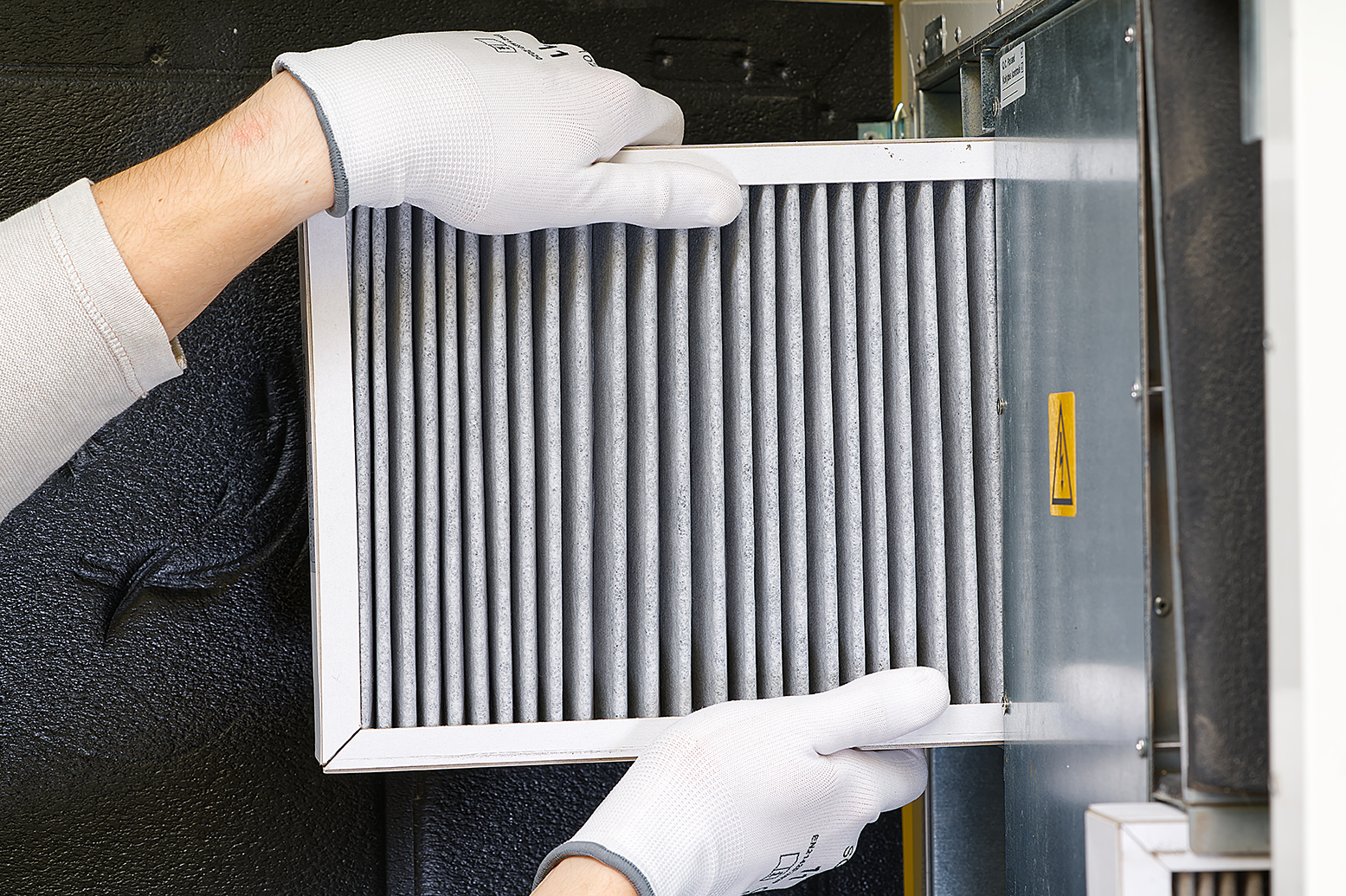
Changing furnace filters can release months of accumulated dust, pollen, pet dander, and debris. MERV, or Minimum Efficiency Reporting Value, is a rating system that measures how effectively an HVAC filter captures airborne particles. MERV ratings range from 1 to 16, with higher numbers indicating better filtration. For people living with Chronic Obstructive Pulmonary Disease, using a filter with a MERV rating between 11 and 13 can help reduce exposure to common respiratory irritants such as dust, pollen, smoke particles, and pet dander while maintaining good airflow in most home heating and cooling systems. Before upgrading to a higher-rated filter, check your HVAC system manufacturer’s recommendations to ensure compatibility.
If possible:
- Turn the HVAC system off before changing filters
- Wear gloves and an N95 mask
- Remove the old filter slowly
- Place it directly into a trash bag
- Wash your hands afterward
Many COPD patients find this is a task best delegated to a family member or caregiver.
Extra Caution: Leaf Blowers
Leaf blowers create large clouds of dust, pollen, mold spores, and debris that can remain airborne for long periods.
For people with COPD, it is generally safer to:
✓ Ask someone else to perform the task
✓ Stay indoors while yard work is being completed
✓ Keep windows closed during heavy yard cleanup
Know When to Stop
Stop cleaning and rest if you experience:
- Increased shortness of breath
- Wheezing
- Chest tightness
- Dizziness
- Unusual fatigue
- Oxygen saturation below the level recommended by your healthcare provider
Remember: A clean home is important, but protecting your lungs is even more important. There is no prize for finishing a cleaning project in one day. Take your time, work in stages, and don’t hesitate to ask for help when needed.
Safe Cleaning with COPD – A Fresh Home Without Harsh Chemicals
If you have any questions about oxygen use while accomplishing home chores give us a call at 1-888-643-4921. Spring cleaning doesn’t have to mean exposing yourself to strong chemical fumes. With a few simple ingredients—baking soda, vinegar, lemon juice, and mild soap—you can clean almost every surface in your home safely.
For people living with Chronic Obstructive Pulmonary Disease, these gentle alternatives can help keep your home fresh without irritating your lungs.
Take your time, pace yourself, and enjoy the feeling of a clean home and easier breathing this spring. 🌸





0 Comments