

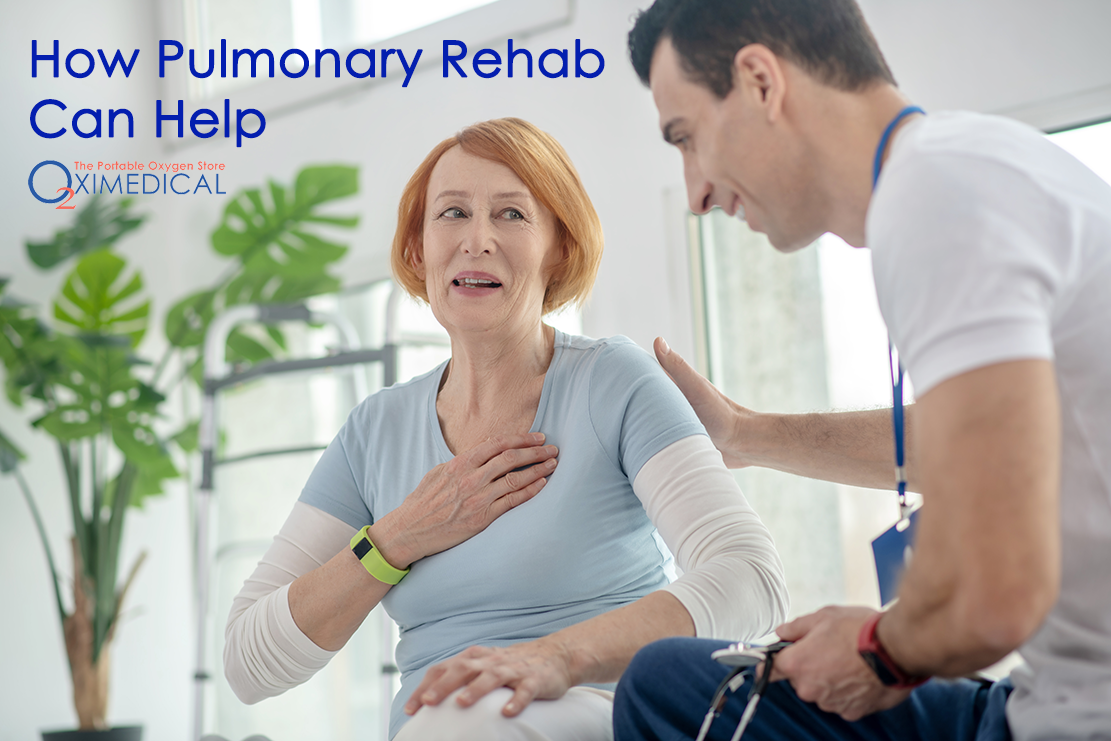
Living with chronic lung disease—especially COPD—can sometimes feel overwhelming. Shortness of breath, fatigue, and uncertainty about symptoms can make everyday life harder than it should be. That’s why pulmonary rehabilitation is one of the most important tools available to people with chronic lung conditions. Pulmonary rehab can help in so many ways in improving quality of life and slowing disease progression.
Pulmonary rehab isn’t just exercise. It’s a comprehensive program designed to help you breathe better, stay active, recognize warning signs early, and slow the progression of lung disease.
In recognition of Pulmonary Rehab Week, let’s take a closer look at what pulmonary rehabilitation actually teaches you, why it matters so much for long-term lung health, and how learning to monitor your symptoms can help you stay healthier and out of the hospital.
What Is Pulmonary Rehabilitation?
Pulmonary rehabilitation is a medically supervised program designed for people with chronic lung diseases such as:
- COPD (Chronic Obstructive Pulmonary Disease)
- Emphysema
- Chronic bronchitis
- Pulmonary fibrosis
- Severe asthma
- Lung disease following COVID or other infections
These programs are typically run by a team of specialists that may include:
- Respiratory therapists
- Physical therapists
- Nurses
- Pulmonologists
- Dietitians
- Mental health professionals
The goal of pulmonary rehab is simple but powerful: help you improve your quality of life while managing your lung disease more effectively.
But the real value isn’t just what happens during the program—it’s what you learn to carry with you for the rest of your life.
How to Breathe More Efficiently
One of the first things pulmonary rehab teaches is breathing techniques that help you get more air in and out of your lungs.
Many people with COPD unknowingly develop breathing patterns that make shortness of breath worse. Pulmonary rehab helps retrain those patterns.
Common techniques include:
Pursed-Lip Breathing

This technique slows breathing and helps keep airways open longer. It’s often referred to as smelling a rose and blowing out a candle.
How it works:
- Inhale slowly through your nose as if smelling a rose.
- Purse your lips like you’re blowing out a candle
- Exhale slowly through pursed lips
Try to exhale for twice as long as you inhale. For instance if you inhale for a count of three, exhale for a count of six if you’re able. This helps clear out any CO2 more effectively.
Benefits include:
- Reduces breathlessness
- Helps release trapped air from lungs
- Improves oxygen exchange
Diaphragmatic (Belly) Breathing
Diaphragmatic breathing helps you use your diaphragm—the main muscle used for breathing—instead of relying on shallow chest breathing.
You can practice it sitting in a chair or lying down.
- Place one hand on your chest and one hand on your belly.
This helps you feel which muscles you are using. - Slowly breathe in through your nose.
Focus on pushing your belly outward as you inhale. The hand on your belly should rise while the hand on your chest stays mostly still. - Gently tighten your stomach muscles as you breathe out.
Exhale slowly through your mouth or through pursed lips, letting your belly fall inward. - Repeat for 5–10 breaths.
With practice, diaphragmatic breathing can help you:
- Use less energy when breathing
- Reduce shortness of breath
- Improve breathing efficiency during daily activities
Many people find it helpful to practice this technique for a few minutes each day so it becomes more natural when walking, climbing stairs, or doing household tasks.
Safe and Effective Exercise
Many people with COPD avoid exercise because they’re afraid of becoming short of breath.
Ironically, avoiding activity often makes breathing worse over time.
Pulmonary rehab teaches you how to exercise safely so your body becomes stronger and more efficient.
Exercise training often includes:
- Walking programs
- Stationary cycling
- Strength training
- Flexibility exercises
- Endurance training
Why exercise matters for lung disease:
Even though COPD affects the lungs, shortness of breath is often worsened by weak muscles.
When muscles are weak:
- They require more oxygen
- They tire faster
- Breathing becomes harder
Exercise improves:
- Muscle strength
- Oxygen efficiency
- Stamina
- Overall energy levels
Many pulmonary rehab patients report that after completing the program they can:
- Walk farther
- Climb stairs easier
- Perform daily tasks with less breathlessness
Energy Conservation Techniques
Pulmonary rehab also teaches practical strategies to make daily life easier.
These are called energy conservation techniques, and they can make a huge difference.
Examples include:
- Planning activities to avoid unnecessary trips
- Sitting instead of standing when possible
- Using rolling carts or assistive devices
- Breaking tasks into smaller steps
- Prioritizing activities during times of highest energy
For example:
Instead of cleaning the entire house in one day, pulmonary rehab might encourage you to divide chores across the week and take breaks between tasks.
This helps prevent exhaustion and breathlessness.
Pulmonary Rehab can Help You Understand Your Medications

Another important part of pulmonary rehab is education about medications.
Many COPD patients use inhalers or nebulizers, but studies show a large number of people don’t use them correctly.
Pulmonary rehab professionals help ensure you understand:
- How each medication works
- When to take it
- How to use inhalers correctly
- How to clean equipment properly
- When medication adjustments may be needed
Correct inhaler technique alone can significantly improve symptom control.
Nutrition for Lung Health
Breathing requires energy.
In fact, people with COPD often use more calories just to breathe.
Pulmonary rehab helps with nutritional counseling to help you:
- Maintain a healthy weight
- Avoid foods that increase bloating or breathing difficulty
- Improve overall energy levels
For example:
Being underweight can weaken breathing muscles.
Being overweight can make breathing more difficult by putting pressure on the diaphragm.
Nutrition guidance helps you find the right balance.
Emotional and Mental Health Support
Living with chronic lung disease can be emotionally challenging.
Many patients experience:
- Anxiety
- Depression
- Fear of breathlessness
- Social isolation
Pulmonary rehab programs recognize that mental health is part of lung health.
Support may include:
- Stress management techniques
- Relaxation exercises
- Breathing techniques to reduce panic
- Peer support from other patients
Many people say one of the most valuable parts of pulmonary rehab is realizing they are not alone.
Learning to Monitor Symptoms
One of the most powerful lessons pulmonary rehab teaches is how to recognize changes in your symptoms early.
This is where symptom monitoring becomes critical.
COPD symptoms can change gradually, and many people ignore small changes until they become serious.
But early warning signs often appear days—or even weeks—before a major flare-up.
Common symptoms to monitor include:
- Increased shortness of breath
- Changes in cough
- Changes in mucus color or amount
- Fatigue
- Chest tightness
- Reduced activity tolerance
Recognizing these changes early allows patients to take action sooner.
Pulmonary Rehab can Help Identify a COPD Exacerbation?
A COPD exacerbation (sometimes called a flare-up) occurs when symptoms suddenly worsen beyond normal day-to-day variations.
Common triggers include:
- Respiratory infections
- Air pollution
- Allergens
- Cold weather
- Poor medication adherence
Exacerbations can lead to:
- Emergency room visits
- Hospitalization
- Permanent loss of lung function
This is why preventing and catching exacerbations early is so important.
Slowing Disease Progression with Pulmonary Rehab
COPD is considered a progressive disease, meaning lung function typically declines over time.
However, that decline can often be slowed significantly with the right strategies.
How Pulmonary rehab can help in slowing progression by helping patients:
- Stay physically active
- Improve breathing efficiency
- Maintain muscle strength
- Avoid exacerbations
- Manage medications correctly
- Monitor symptoms closely
One of the biggest drivers of disease progression is repeated exacerbations.
Each severe flare-up can cause:
- Permanent lung damage
- Reduced lung capacity
- Increased inflammation
By learning how to recognize warning signs early, pulmonary rehab patients can often intervene sooner and reduce the severity of flare-ups.
Using a COPD Zone System
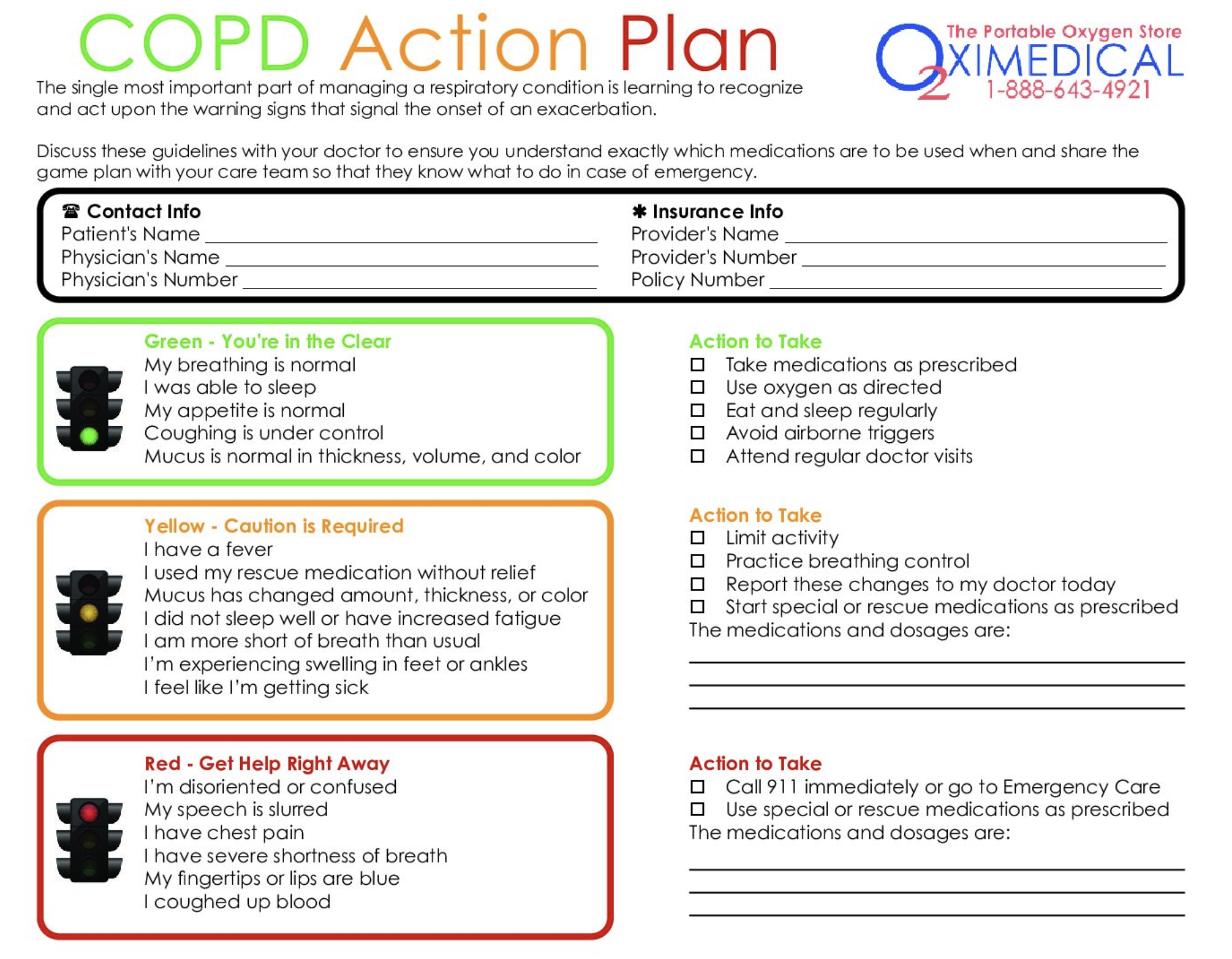
Many pulmonary rehab programs introduce patients to a COPD Zone monitoring system, similar to what is used for asthma or heart failure.
The zone system helps patients quickly identify whether their symptoms are stable or worsening.
Green Zone – Stable
This means:
- Breathing is normal for you
- No increase in coughing
- Mucus is normal color and amoun
- You can perform regular activities
Green zone means stay on track with your daily treatment plan.
Yellow Zone – Warning Signs
This indicates symptoms may be worsening.
Examples include:
- Increased shortness of breath
- More coughing
- Changes in mucus color or thickness
- Fatigue or reduced activity tolerance
This is the time to take action early.
Your action plan might include:
- Using rescue medications
- Contacting your healthcare provider
- Increasing breathing treatments
Red Zone – Medical Alert
This means symptoms are severe and require immediate medical attention.
Examples include:
- Severe shortness of breath
- Difficulty speaking due to breathlessness
- Blue or gray lips or fingernails
- Chest pain
This may require urgent medical care or emergency treatment.
Why Symptom Monitoring Saves Lives
Research shows that patients who actively monitor their symptoms are more likely to:
- Detect flare-ups early
- Avoid hospitalizations
- Maintain better lung function
- Feel more confident managing their disease
Symptom monitoring turns patients into active partners in their care instead of passive recipients of treatment.
It gives you control and awareness.
Download Our Free COPD Zone Symptom Monitoring Sheet
To help make symptom monitoring easier, we’ve created a FREE COPD Zone Symptom Monitoring Sheet you can use at home.
This simple guide helps you:
- Track your daily symptoms
- Recognize warning signs early
- Know when to contact your doctor
- Stay on top of your COPD management plan
Download your free COPD Zone sheet here:
[Insert Download Link]
Many patients find it helpful to keep the sheet:
- On the refrigerator
- Near medication supplies
- In a daily health journal
The goal is to make symptom awareness part of your routine.
When Oxygen Therapy May Be Prescribed
For some people with COPD or other chronic lung diseases, the lungs are no longer able to move enough oxygen into the bloodstream on their own. When this happens, doctors may prescribe supplemental oxygen therapy.
One of the ways healthcare providers evaluate oxygen levels is through a pulse oximeter, a small device that clips onto your finger and measures your oxygen saturation (often written as SpO₂).
Healthy oxygen levels are typically between 95% and 100% for people with normal lung function.
For people with COPD, levels can sometimes run lower. However, if your oxygen saturation is regularly dropping below 90%, your doctor may evaluate whether long-term oxygen therapy would help.
Consistently low oxygen levels can cause the body to work harder and may lead to:
- Increased shortness of breath
- Fatigue
- Confusion or difficulty concentrating
- Strain on the heart and other organs
Oxygen therapy helps ensure your body and organs receive the oxygen they need to function properly.
Many people are surprised to learn that oxygen therapy can also:
- Improve energy levels
- Improve sleep quality
- Support safer exercise and activity
- Reduce strain on the heart
- Improve overall quality of life
Today’s portable oxygen concentrators are also much more lightweight and mobile than older oxygen systems, making it easier to stay active and independent.
How OxiMedical Can Help
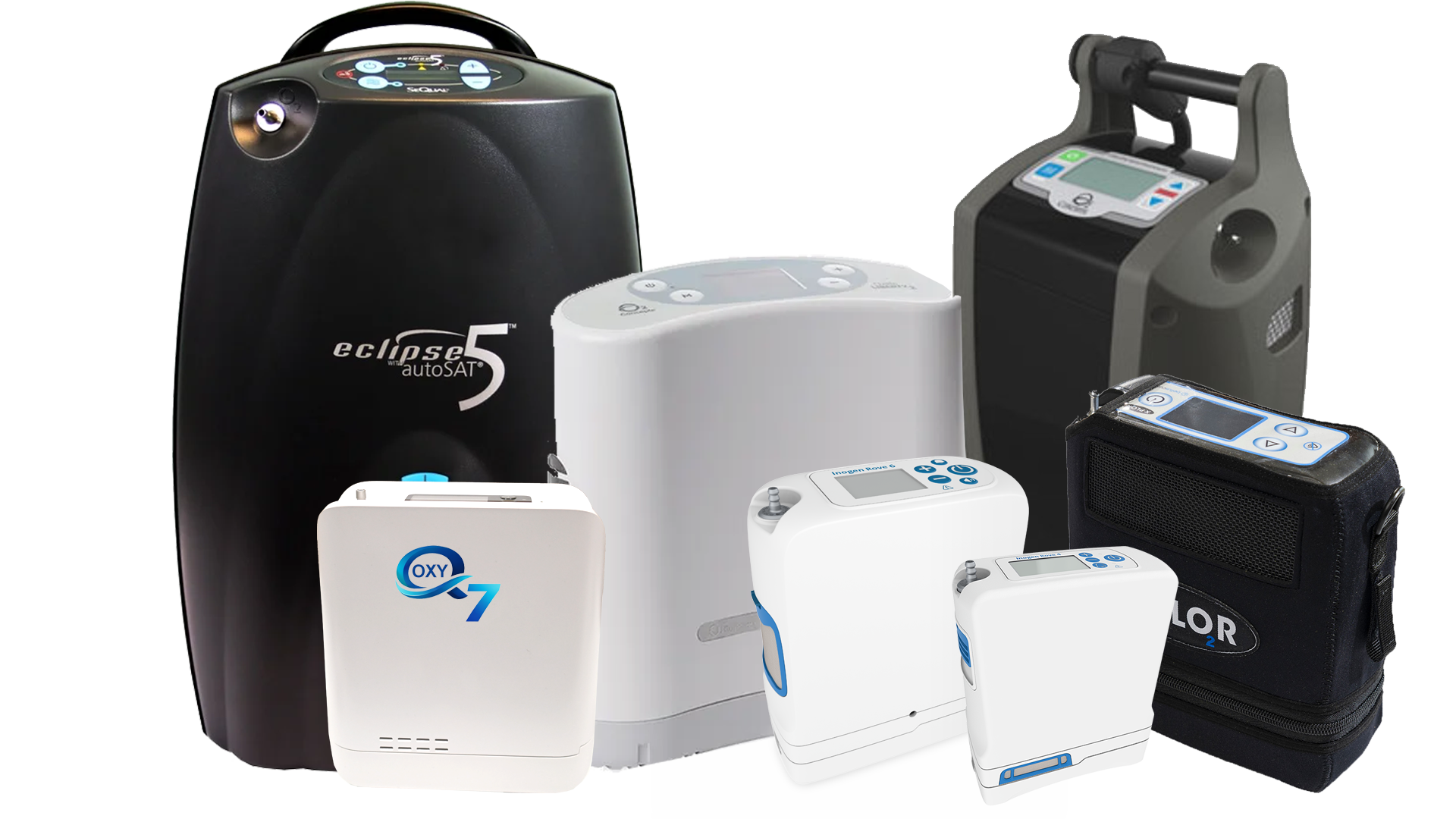
If your doctor recommends oxygen therapy, the team at OxiMedical can help guide you through the process.
We understand that starting oxygen therapy can feel overwhelming, and our goal is to make the process as simple and stress-free as possible.
Our team can help you:
- Understand your oxygen therapy options
- Choose the right portable oxygen concentrator for your lifestyle
- Learn how to use your equipment safely and confidently
In many cases, we can also check whether your Medicare benefits may help offset some of the cost of your oxygen equipment.
Navigating insurance and paperwork can be confusing, but we’re happy to help walk you through the process and cut through the red tape.
The respiratory team can be reached at 1-888-643-4921.
Take the Next Step for Your Lung Health
Pulmonary rehabilitation is one of the most powerful tools available for people living with COPD and other chronic lung diseases.
It teaches practical skills that can help you:
- Breathe more efficiently
- Stay active longer
- Recognize warning signs early
- Reduce flare-ups
- Maintain independence
And if oxygen therapy becomes part of your treatment plan, the right equipment and support can make it easier to continue doing the things you love.
Start by downloading our FREE COPD Zone Symptom Monitoring Sheet, talk with your doctor about pulmonary rehab if you haven’t tried it yet, and remember—small daily actions can make a big difference in protecting your lung health for years to come.



0 Comments