
Every January, millions of people make the same quiet promise to themselves:
This is the year I quit smoking.
For some, that promise holds for weeks. For many others, it unravels much sooner — sometimes in days. Many have resumed tobacco use by the time February begins. Cravings seem to appear out of nowhere. Your mood shifts without warning. You feel anxious, scattered, irritable, or completely drained. Stress that once felt manageable suddenly feels sharp and relentless. And eventually, a familiar thought creeps in:
Why can’t I do this when other people can?
If that’s where you are, hear this clearly: you didn’t fail.
Quitting smoking is one of the hardest behavior changes a human can attempt — not because of weakness or lack of discipline, but because nicotine fundamentally rewires how your brain handles motivation, reward, stress, and emotion. When you quit, your body and brain don’t just “miss” nicotine. They have to relearn how to function without it.
OxiMedical isn’t just an oxygen provider — we’re here to support your overall health and quality of life. This article takes a deeper look at why quitting can feel so difficult, what’s really happening inside your brain, and lays out a clear, actionable game plan to help you quit successfully by working with your biology instead of fighting it.
Understanding what’s happening under the surface turns shame into strategy — and makes long-term success not just possible, but likely.
How to Quit Smoking Even Though its Overwhelming
Nicotine addiction is uniquely difficult because it doesn’t live in just one system. It hijacks several at once. When people underestimate this, they often blame themselves when quitting feels unbearable.
The Physical Dependence: What Your Body Is Reacting To
Nicotine reaches the brain within seconds of inhalation. Over time, your body adapts to that constant stimulation in ways you can’t consciously feel — until it’s gone.
Your brain actually creates more nicotine receptors to absorb the drug. Stress hormones are altered so that cigarettes briefly lower perceived stress while quietly raising your baseline stress between cigarettes. Tolerance develops, meaning you need nicotine more often just to feel “normal.”
When nicotine is removed, your nervous system reacts. Blood vessels constrict and dilate differently, which can cause headaches. Dopamine and adrenaline drop, leading to fatigue, low motivation, and mental fog. Appetite increases as your brain searches for alternative reward. Sleep becomes disrupted as circadian rhythms recalibrate.
None of this means something is wrong with you. These symptoms are uncomfortable, but they’re temporary. They are signs of adjustment — not failure.
The Psychological Dependence: Where Most Relapses Begin
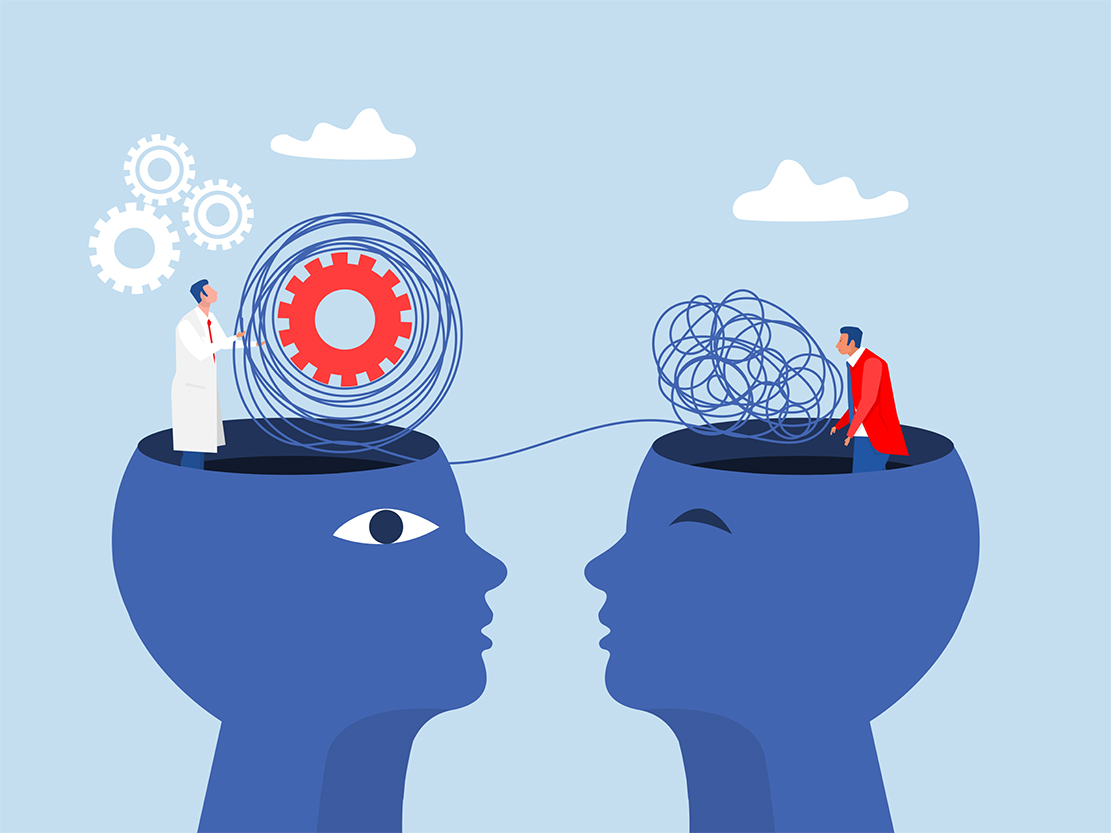
While physical withdrawal fades, psychological conditioning lingers.
Over time, smoking stops being something you do and starts feeling like something your brain expects. It becomes woven into routines, emotions, rewards, and even identity.
Smoking and Routine
Humans rely on habits to conserve mental energy. When the same behavior happens in the same context — morning coffee, driving, after meals, before bed — the brain automates it.
- Smoking becomes a signal:
- How I Start the Day.
- What I do During a Break.
- This is how I unwind.
- How I end the Day.
Eventually, the urge to smoke isn’t even about nicotine. It’s about completing the loop. When the loop breaks, the brain flags it as danger — and labels that feeling a craving.
Smoking and Emotional Regulation
Nicotine temporarily changes brain chemistry in ways that feel calming or focusing. Over time, many people unknowingly outsource emotional regulation to cigarettes.
- Anxiety? Smoke.
- Frustration? Smoke.
- Lonely? Smoke.
- Overwhelmed? Smoke.
The brain gradually stops practicing its own coping skills. So when nicotine disappears, emotions don’t actually become worse — they become unmedicated. That’s why quitting can feel emotionally raw even when nothing external has changed.
The Stress Myth
One of nicotine’s biggest lies is that it relieves stress.
In reality, nicotine creates a mild, ongoing state of withdrawal. Smoking doesn’t calm stress — it temporarily relieves withdrawal. The brain confuses that relief for stress reduction and credits the cigarette.
- Withdrawal feels like stress.
- Smoking relieves withdrawal.
- The brain concludes smoking equals calm.
That illusion is powerful — and completely reversible.
Smoking as a Reward
Many smokers use cigarettes as punctuation marks for effort. To celebrate completing something. Finishing a meal. After surviving something hard.
Over time, nicotine replaces healthier rewards. Instead of dopamine arriving after effort, your brain waits for smoke.
When you quit, effort can feel pointless. Accomplishments feel flat. Motivation disappears. This isn’t because effort stopped mattering — it’s because nicotine hijacked the reward system.
Smoking and Identity
For many people, smoking is social. It’s shared breaks, familiar rituals, and belonging. Quitting can feel like losing a connection — or a version of yourself.
That’s why quitting isn’t just behavioral. It’s an identity shift. And identity shifts take time.
At the center of all of this is dopamine.
How Nicotine Rewires Your Dopamine System
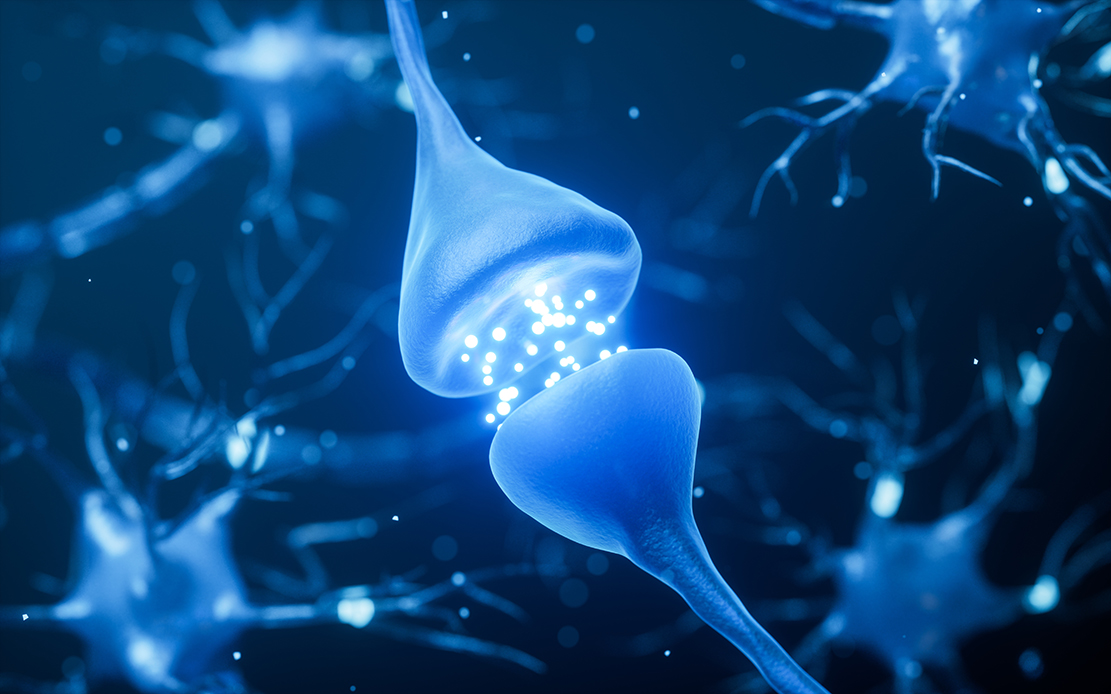
Nicotine doesn’t just add dopamine. It reshapes how your brain produces it, responds to it, and expects it.
When nicotine hits the brain, it triggers a rapid, oversized dopamine release — faster and larger than almost any natural reward. And it happens repeatedly, often dozens of times a day.
The brain was never designed for that level of stimulation. To protect itself, it adapts.
Natural dopamine production decreases. Dopamine receptors become less sensitive. Eventually, nicotine is required just to reach baseline functioning.
Without nicotine, dopamine levels feel painfully low. That’s why quitting often comes with apathy, emotional fragility, difficulty focusing, and loss of pleasure. This is not laziness or depression. It’s a temporary neurochemical imbalance — and it heals.
Nicotine also steals dopamine from effort-based rewards. Activities that once felt satisfying — movement, learning, social connection, finishing tasks — stop registering the same way.
When you quit, life can feel dull not because it is, but because your brain is relearning how to earn reward again.
Why Cravings Feel So Urgent
When nicotine disappears, dopamine drops. The brain interprets this as a threat and sends an alarm:
Fix this. Now.
That alarm is a craving.
Cravings are not proof you need nicotine. They’re proof your brain was trained to rely on it. Once you understand that, cravings stop being commands and start being information.
What to Do Before You Quit: Why Preparation Matters
One of the biggest reasons people struggle is treating the quit date like a switch — one day you smoke, the next day you don’t.
Quitting successfully is far more about what you do before you quit than what happens on Day One.
Think of quitting like training for a marathon. You wouldn’t show up on race day without conditioning your body. Your brain needs the same preparation.
Start Changing How You Eat Before You Quit
Nicotine suppresses appetite and disrupts blood sugar regulation. When people quit without adjusting their diet, they often experience intense hunger, mood swings, fatigue, and stronger cravings.
The goal before quitting is stability — not restriction.
Protein provides amino acids your brain needs to rebuild dopamine and serotonin. Complex carbohydrates stabilize mood and energy. Healthy fats support brain signaling and emotional regulation. Eating regularly prevents blood sugar crashes that masquerade as cravings.
You’re teaching your body how to feel stable without nicotine before nicotine is gone.
Begin Replacement Behaviors Early

The brain hates voids. Waiting until quit day to figure out coping strategies leaves your nervous system scrambling.
If you plan to walk, breathe, journal, chew gum, or stretch when stressed — start now. Practice while you’re still smoking. This trains your brain to associate relief with something other than cigarettes before nicotine disappears.
Disrupt Smoking Routines Ahead of Time
You don’t need to quit immediately to weaken the habit loop. Change where you smoke. Delay cigarettes. Skip automatic ones. Remove smoking from specific routines.
You’re loosening the association between cues and cigarettes so quitting isn’t such a shock.
What to Eat the Week Before and the Week You Quit

The week before quitting is about building reserves. Nicotine artificially boosts dopamine while suppressing appetite. When you quit, your brain must produce its own feel-good chemicals again — and it needs raw materials to do that.
Eat protein at every meal. Include complex carbohydrates for serotonin support. Add healthy fats to calm the nervous system. Focus on leafy greens, fruits, beans, whole grains, fish, eggs, and dairy if tolerated. Reduce excess caffeine and sugar so your nervous system isn’t overstimulated when nicotine is removed.
During the first week you quit, cravings peak not because you’re failing, but because your brain chemistry is recalibrating.
This is not the week for dieting. Eat more often than you think you need to. Pair protein and carbohydrates. Use crunchy foods to replace oral stimulation. Choose warm, comforting meals. Hydrate consistently.
Increased hunger, sugar cravings, and emotional swings are normal. They are signs your brain is healing.
Helping the Brain Heal
The brain is adaptable. Dopamine production and receptor sensitivity recover — especially when quitting isn’t just about removal, but replacement.
Food supplies the chemistry. Movement supplies effort-based dopamine. Routine supplies structure. Support supplies safety.
Quitting isn’t about enduring misery. It’s about guiding recovery.
Quit Aids: Why Support Works

One of the most persistent myths about quitting is that cold turkey is more virtuous.
The science says otherwise.
People who use evidence-based quit aids are more than twice as likely to succeed. Not because they’re weaker — but because quit aids reduce neurological shock while the brain heals.
Nicotine addiction isn’t a moral problem. It’s a neurochemical one.
Nicotine replacement therapy stabilizes withdrawal. Medications like varenicline or bupropion reduce cravings and low dopamine states. Therapy and coaching rewire habits and identity. Digital programs provide structure and accountability.
Combining aids works better than using one alone. This isn’t overdoing it — it’s matching support to the complexity of the addiction.
The Reframe That Matters
Quit aids don’t replace effort. They reduce unnecessary suffering.
You’re not supposed to fight your brain unaided. You’re supposed to help it heal.
Final Thought
You didn’t fail because you were weak.
You struggled because nicotine trained your brain to believe it was essential.
Quitting is the process of teaching it otherwise.
If your resolution already feels broken, you’re not behind — you’re learning.
This time, you’re not fighting yourself.
You’re helping your brain heal.




0 Comments