

If you use supplemental oxygen and tend to breathe through your mouth, you may have noticed that getting comfortable with your oxygen equipment isn’t always easy. Dry mouth, irritated nasal passages, waking up with your mouth open, and concerns about whether you’re receiving enough oxygen can all be frustrating.
Mouth breathing is common, particularly during sleep or when nasal congestion makes it difficult to breathe comfortably through the nose. For people who use supplemental oxygen, however, it’s important to understand how your breathing pattern can affect the way oxygen is delivered.
The good news is that there are practical steps you can take to improve comfort and work with your healthcare team to make sure your oxygen therapy is meeting your needs.
*The following are some practical solutions that you may try but if you are having problems staying properly saturated please speak with your doctor or respiratory therapist.
Why Do Some Oxygen Users Breathe Through Their Mouth?
There are many reasons someone may become a mouth breather. Nasal congestion from allergies or a cold can make nasal breathing difficult. Some people naturally breathe through their mouth, while others may do so more often during sleep.
Certain respiratory conditions can also contribute to changes in breathing patterns. Enlarged nasal passages, a deviated septum, sinus problems, medications, or simply sleeping with your mouth open may all play a role.
If you have recently started breathing through your mouth more frequently, or if it is interfering with your oxygen therapy or sleep, talk with your healthcare provider.
Does Mouth Breathing Affect Supplemental Oxygen?
It depends on the type of oxygen delivery system you’re using.
With a standard nasal cannula, oxygen is delivered through the nostrils. If you breathe primarily through your mouth, some of the oxygen delivered through the cannula may not be inhaled as efficiently as it would be with nasal breathing.
That doesn’t necessarily mean your oxygen therapy isn’t working. Your prescribed oxygen flow, breathing pattern, respiratory condition, and equipment all matter.
Don’t increase your oxygen flow on your own because you are a mouth breather. Your oxygen prescription is based on your individual medical needs. If you’re concerned that you’re not getting enough oxygen, speak with your doctor or respiratory therapist.
1. Make Sure Your Nasal Cannula Fits Correctly
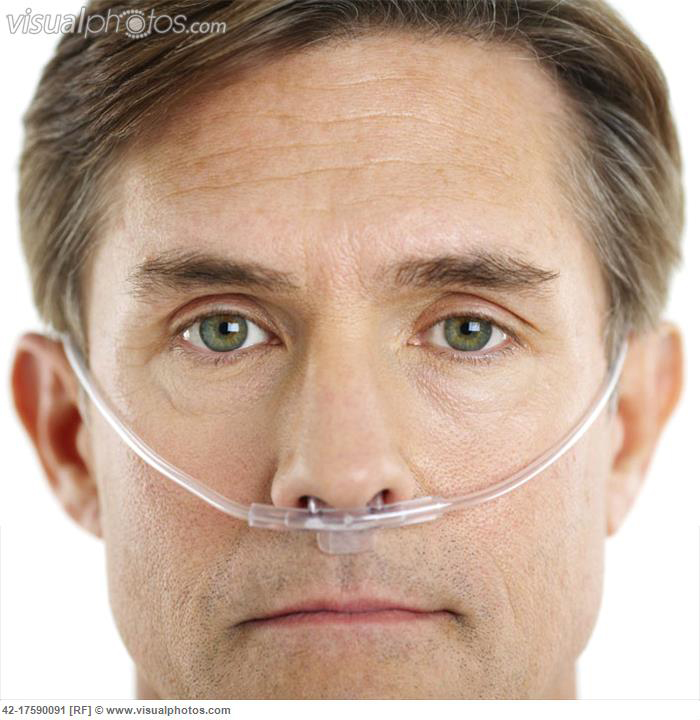
A properly positioned nasal cannula can make a significant difference in comfort and oxygen delivery.
The prongs should sit comfortably inside your nostrils without causing excessive pressure or irritation. The tubing should be positioned so that it isn’t pulling the cannula out of place when you move your head.
If your cannula constantly shifts while you’re sleeping, ask your oxygen provider or healthcare professional whether a different cannula style or fit may work better for you.
Replacing worn or damaged tubing and cannulas according to the manufacturer’s recommendations is also important.
2. Keep Your Nasal Passages Comfortable
Dry nasal passages can make mouth breathing even more tempting.
Supplemental oxygen can contribute to dryness and irritation, particularly for people who use oxygen for extended periods. Ask your healthcare provider or oxygen equipment provider about appropriate ways to manage nasal dryness.
A saline nasal spray may be an option for some people, but it’s best to check with your healthcare professional about products that are appropriate for you.
Never use petroleum-based products around oxygen equipment. Oxygen supports combustion, and petroleum-based products can present a fire hazard. If you need a moisturizing product, ask your healthcare professional or oxygen supplier what oxygen-safe option they recommend.
3. Address Nasal Congestion
If you are breathing through your mouth because your nose feels blocked, finding the cause of the congestion may help.
Seasonal allergies, colds, dry air, and other conditions can make nasal breathing more difficult.
Talk with your healthcare provider about safe ways to manage congestion. Don’t automatically reach for over-the-counter decongestants without checking first, particularly if you take other medications or have conditions that could be affected by them.
Simple measures such as keeping your bedroom comfortable and avoiding known allergens may also help.
4. Pay Attention to Dry Mouth
One of the most common complaints among mouth breathers is waking up with an extremely dry mouth.
Try keeping water nearby and taking small sips throughout the day as appropriate for your medical condition. If your healthcare provider has given you fluid restrictions, follow those instructions.
You can also ask your dentist or healthcare provider about products designed to relieve dry mouth.
Good oral hygiene is particularly important because persistent dry mouth can contribute to dental problems.
Brush and floss regularly and maintain routine dental appointments.
5. Consider What Happens While You Sleep

Many people don’t realize they are mouth breathing until they wake up with a dry mouth or discover that their oxygen equipment has shifted during the night.
If you use oxygen while sleeping, make sure your tubing is positioned safely and comfortably. Avoid routing tubing where it could become wrapped around your neck or create a tripping hazard.
If you frequently wake up gasping, choking, with headaches, extremely tired, or feeling as though you aren’t sleeping well, tell your healthcare provider.
Those symptoms can have several causes, including sleep-related breathing disorders, and may warrant further evaluation.
6. Ask Whether Your Oxygen Delivery System Is Right for You
Not every oxygen user has the same needs.
Depending on your prescription and individual situation, your healthcare team may recommend different oxygen-delivery options. These can include a standard nasal cannula or other specialized interfaces.
If mouth breathing is making your oxygen therapy uncomfortable, don’t simply stop using your oxygen. Instead, tell your healthcare provider what you’re experiencing.
You can ask:
- “Could my mouth breathing affect my oxygen therapy?”
- “Is my current oxygen-delivery system appropriate for me?”
- “Should my oxygen levels be checked while I’m sleeping?”
- “Would another type of interface be appropriate?”
- “Could nasal congestion be contributing to my mouth breathing?”
Your respiratory therapist or physician can help determine whether a change is appropriate.
7. Use a Pulse Oximeter as Directed
Some oxygen users keep a pulse oximeter at home to monitor their oxygen saturation.
If your healthcare provider has recommended monitoring your oxygen level, follow their instructions regarding when and how to check it.
Remember that a pulse oximeter is a monitoring tool—not a substitute for medical advice. Readings can be affected by factors such as movement, poor circulation, cold fingers, nail polish, and device limitations.
If your readings are consistently different from the range your healthcare provider has told you to expect, contact your healthcare team for guidance.
For some tips on taking a pulse oximeter reading properly watch our video!
8. Don’t Change Your Oxygen Setting Without Medical Guidance
This is one of the most important rules for anyone using supplemental oxygen.
If you think you’re not getting enough oxygen because you are breathing through your mouth, do not simply turn up your oxygen flow.
More oxygen isn’t automatically better, and your prescribed setting has been selected for your specific needs.
Instead, tell your healthcare provider what you’re experiencing. They may want to evaluate your oxygen levels, breathing pattern, equipment, or prescription.
9. Make Oxygen Safety a Priority
Whether you breathe through your nose or mouth, oxygen safety is essential.
Oxygen itself isn’t flammable, but it supports combustion and can make fires burn faster and more intensely.
Keep oxygen equipment away from:
- Cigarettes and smoking materials
- Open flames
- Gas stoves
- Candles
- Fireplaces
- Sparks and heat sources
Don’t use petroleum-based products around oxygen equipment, and make sure everyone in your household understands basic oxygen safety.
If you use a portable oxygen concentrator, keep its air intake and exhaust vents unobstructed. Don’t place blankets, clothing, pillows, or other objects over the unit.
10. Talk to Your Respiratory Therapist
If mouth breathing is becoming a regular problem, your respiratory therapist can be an excellent resource.
They can help you evaluate your oxygen equipment, cannula placement, comfort, and overall oxygen-therapy routine. They can also help you identify questions to bring to your physician.
Keep track of when your mouth breathing is most noticeable. Does it happen primarily at night? When you’re congested? During exercise? When you’re tired?
Those details can help your healthcare team understand what’s happening.
When Should You Call Your Healthcare Provider?
Occasional mouth breathing isn’t necessarily a cause for concern. However, you should talk with your healthcare provider if you notice a persistent change in your breathing or oxygen needs.
Contact your healthcare team if you experience symptoms such as:
- Increasing shortness of breath
- New or worsening breathing difficulty
- Frequent nighttime waking or gasping
- Persistent headaches or unusual daytime fatigue
- Difficulty using your oxygen equipment
- Consistently unexpected oxygen saturation readings
- A noticeable change in your normal breathing pattern
If you experience severe difficulty breathing, chest pain, confusion, blue or gray lips or skin, or another medical emergency, seek emergency medical care.
Breathe Easier and Stay Comfortable
Being a mouth breather doesn’t mean you can’t use supplemental oxygen comfortably. The key is making sure your oxygen equipment, breathing pattern, and prescribed therapy are working together appropriately.
Keep your nasal passages comfortable, pay attention to dry mouth, make sure your cannula fits properly, practice good oxygen safety, and monitor your oxygen levels according to your healthcare provider’s instructions.
Most importantly, don’t change your oxygen prescription on your own. If you’re concerned that mouth breathing is affecting your oxygen therapy, talk with your doctor or respiratory therapist. They can help determine whether you need a different approach to oxygen delivery or whether another issue is contributing to your symptoms.
With the right equipment, good habits, and guidance from your healthcare team, oxygen therapy can continue to support the active lifestyle you want—whether you’re relaxing at home, sleeping, running errands, or traveling.
How OxiMedical Can Help
Finding the right oxygen equipment can make a big difference in your comfort, mobility, and confidence—especially if you tend to breathe through your mouth or have questions about your current oxygen setup.
At OxiMedical, we understand that choosing and using supplemental oxygen isn’t a one-size-fits-all experience. Our team can help you understand your equipment options and find a solution that fits your lifestyle and oxygen needs.
Whether you’re looking for a portable oxygen concentrator, need help understanding your current equipment, or simply have questions about oxygen therapy, our knowledgeable team is here to help.
Get Help Choosing the Right Oxygen Equipment
If you’re experiencing problems with your nasal cannula, dryness, nighttime comfort, or portability, don’t assume you have to live with an uncomfortable oxygen setup. We can help you explore available equipment and accessories and identify options that may make oxygen therapy easier to manage.
OxiMedical offers a wide selection of portable oxygen concentrators from leading manufacturers, giving you options based on your prescribed oxygen needs, lifestyle, and travel plans.
Our team can also help you understand important features such as:
- Pulse-dose versus continuous-flow oxygen
- Battery life and charging options
- Portable oxygen concentrator weight and portability
- Different cannula and carrying options
- Oxygen equipment for travel
- FAA requirements for portable oxygen concentrators
- Accessories designed to make oxygen therapy more convenient
Personalized Support From Oxygen Experts

You don’t have to figure everything out on your own.
If you’re unsure whether your current oxygen equipment is working well for you, or you’re considering switching to a portable oxygen concentrator, talk with an OxiMedical oxygen specialist. We can answer your questions, explain your options, and help you find equipment that works with your prescribed oxygen therapy.
Call OxiMedical at 1-888-643-4921 to speak with an oxygen specialist and learn more about your options.
Whether you’re at home, sleeping, running errands, or planning your next trip, the right oxygen equipment can help you spend less time worrying about your oxygen—and more time living your life.



0 Comments